Framed Moss Wall Art: Matching Each Room's Scale and Mood
What framed moss wall art brings to a room
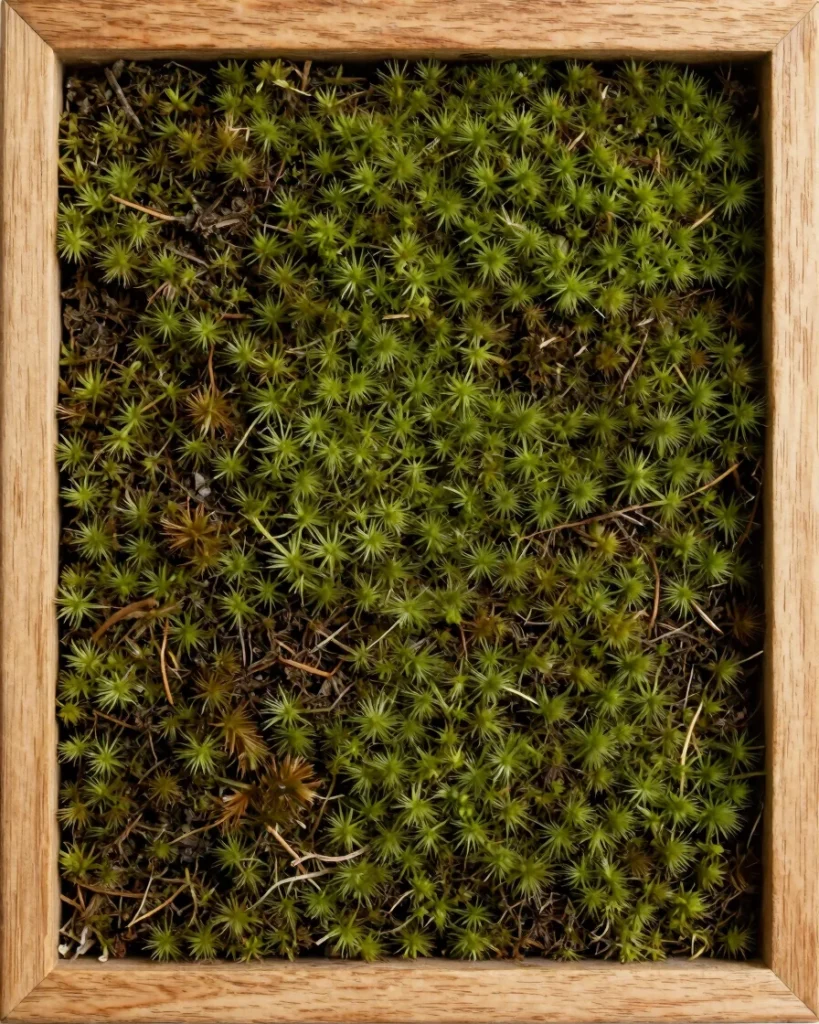
Preserved moss is a natural material that keeps its colour and texture without watering or trimming. When set inside a frame it becomes a low-maintenance wall piece that suits almost any interior. Unlike live plants it needs no light, so it works in hallways, bathrooms and rooms with few windows. The main appeal is the soft, irregular surface of moss against the clean lines of a frame. That contrast can soften a modern space or add a quiet focal point to a busy room.
Getting the most from framed moss wall art means thinking about where each piece goes. Room scale, wall colour and the amount of natural light all affect how the moss reads. A large frame in a small room can feel overpowering, while a tiny piece on a big wall gets lost. The same moss in a north-facing room looks different than in a sunlit living area. This guide walks through each room in a typical home and explains how to choose, place and style framed moss so it feels intentional rather than an afterthought.
Living room: the main focal point
The living room is often where people gather, so the wall art here needs to hold its own. A single large framed moss piece works well above a sofa or console table. The soft green tones complement most upholstery colours and do not compete with patterned cushions or rugs. If the room has a fireplace, consider placing the moss art to one side rather than directly above the mantel, where heat and rising dust can sometimes affect the frame over time.
For rooms with high ceilings, a vertical moss panel draws the eye upward and makes the space feel taller. A horizontal piece suits a long wall above a low sofa. The key is visual balance: the frame should be roughly two-thirds the width of the furniture below it. That proportion feels natural without being mathematical.
Natural light matters less for preserved moss than for live plants, but direct sun can fade the colour over months or years. Place the art where it receives indirect light, or where you can draw a curtain during the brightest part of the day. If the room gets strong afternoon sun from one direction, avoid hanging the moss on that wall unless the frame has UV-protective glass.
Bedroom: calm and texture
Bedrooms benefit from materials that feel soft and quiet. Moss fits that brief. A framed piece above the headboard can replace a traditional painting or mirror. Because the moss has no glare, it works well opposite a window where morning light hits the wall. The texture catches the light gently without reflecting it into the room, which helps maintain a restful atmosphere.
In a bedroom, scale depends on the bed size. A king bed needs a frame at least half the width of the headboard. A smaller frame can sit to one side, paired with a reading lamp or a small shelf. If the room has a dressing table or a reading nook, a small moss piece there adds a natural accent without competing with the main art.
Wall colour matters here. Moss on a white or pale wall stands out clearly. On a dark wall the moss can disappear, so look for a frame with a light inner border or choose a moss variety with a brighter green tone. Some people prefer a deep green moss on a charcoal wall for a moody look; that works as long as the frame has enough contrast to define the edge of the piece.
Home office: focus without distraction
In a workspace, wall art should support concentration. Moss provides a calm visual anchor without the distraction of a busy image or bright colours. A medium-sized frame placed on the wall behind the monitor, or on the side wall within the peripheral view, gives the eyes a soft place to rest during video calls or deep work.
The phrase "Home" works naturally here because the office is often part of the home, and the moss helps tie that space back to the rest of the interior. A consistent style of frame across the home office and the living area makes the whole floor plan feel connected. Choose the same wood finish or frame depth for both rooms, and the eye will register them as a set even if the moss shapes differ.
Avoid placing moss art where it will be knocked by a chair back or brushed by a bag. If the desk is against the wall, leave at least a handspan between the frame and the desk surface. That gap keeps the piece safe and makes it read as deliberate wall art rather than a shelf accessory.
Bathroom: humidity and placement
Preserved moss tolerates humidity well because it is no longer alive. A bathroom with a shower or bath produces steam that would harm live plants, but moss stays stable as long as the frame is well sealed. Look for a frame with a solid back and a tight fit at the corners. Avoid frames with open gaps where moisture could enter behind the glass.

The best spot is on a wall away from the direct spray of the shower. Above the towel rack, beside the mirror, or on the wall opposite the toilet all work. Because bathrooms are often smaller rooms, a single medium frame is usually enough. A cluster of small square frames can work above a double vanity, but keep the spacing even to avoid a cluttered look.
Natural light in bathrooms is often limited. That is fine for moss, but the wall colour becomes more important. A pale moss on a white wall can look flat in dim light. Choose a darker green moss or one with a visible texture such as reindeer moss, which has a branching structure that catches what light there is.
Hallway and entry: first impressions
The hallway sets the tone for the rest of the home. A framed moss piece here acts as a quiet welcome. Because hallways are often narrow, the frame should not protrude too far from the wall. A slim frame with a low-profile depth works best. Avoid deep shadow-box frames that stick out several centimetres, especially if the hallway is tight.
One large piece works better than several small ones in a narrow space. The eye registers one anchor point, and people moving through the hallway do not have to stop to take it in. If the hallway has a table or a shelf, a moss frame hung above it creates a natural vignette with a lamp or a tray for keys. Keep the art at eye level for an adult of average height; in a hallway, that is usually around 150 centimetres from the floor.
Hanging hardware matters here because hallways see traffic and vibration from doors closing. Use two wall anchors rated for the frame weight, and check that the wire or bracket is secure before hanging. A tilted frame in an entryway looks sloppy and draws attention for the wrong reason.
Dining room: a backdrop for gatherings
The dining room wall behind the table is a prime spot for a large moss panel. The frame should be wide enough to balance the table visually, but not so wide that it reaches beyond the table ends. A good rule is to match the frame width to about two-thirds of the table length. If the table seats six, aim for a frame around 100 centimetres wide.
Moss works well here because it does not distract from the food or the conversation. Its muted green is a neutral backdrop that works with any table setting. If the dining room has a sideboard or a buffet, a matching smaller piece above it can echo the main art and create a sense of flow. The phrase "Home" appears again in the sense that the dining room is where the home comes together, and the moss art reinforces that feeling of a unified interior.
Avoid hanging the moss where it will catch the steam from hot dishes. If the table is directly below the frame, leave at least 20 centimetres of clearance above the tallest serving piece. That keeps the frame clean and prevents condensation from building up on the glass or the moss.
Putting it all together
Framed moss wall art works in every room because it asks for so little. No watering, no pruning, no special lights. The only decisions are about size, placement and the frame finish. Matching the frame to the room scale, choosing a wall colour that gives the moss enough contrast, and hanging it securely are the three things that separate a piece that looks like part of the room from one that looks like an afterthought.
Before you buy or build a piece, walk through each room with a tape measure and a sense of where your eye naturally lands when you enter. That spot, at the right height and with the right proportions, is where the moss will feel at home. The rest is just choosing the moss colour and frame style that suits the room's existing palette. With those decisions made, you can enjoy a natural wall piece that stays fresh for years without any effort.